Scholarship Facility
Merit awards and need-based waivers, decided after you hold an offer.
Skilled Lecturers
Published researchers who still teach the first-year seminars themselves.
Book Library & Store
24-hour access, 180,000 volumes and full journal subscriptions.
Schools & faculties
Find your department
Six faculties, one campus. Every program is reviewed against industry and research standards each academic year.
Engineering & Computing
Software, electrical, mechanical and data engineering with lab-based assessment.
12 ProgramsNatural Sciences
Physics, chemistry and biology, with funded undergraduate research placements.
9 ProgramsBusiness & Economics
Accounting, finance and management taught through live case work.
11 ProgramsArts & Humanities
Literature, history and philosophy in seminars capped at eighteen students.
10 ProgramsHealth Sciences
Nursing, public health and pharmacy with supervised clinical rotations.
8 ProgramsLaw & Public Policy
Moot courts, legal clinics and policy research with partner institutions.
7 ProgramsQS Teaching Score
Enrolled Students
Faculty Members
Degree Programs
Why study here
An academic culture that expects your best
Teaching is assessed as seriously as research. Every module is peer-reviewed, every student is assigned a named academic advisor, and every final-year project is defended in front of a panel.
Funded Research
Undergraduates join live research groups from the second year.
Named Advisors
One academic advisor per student, for the whole degree.
Open Library
24-hour access, 180,000 volumes and full journal subscriptions.
Career Office
Placement support that continues two years after graduation.


Open Day & Campus Tour
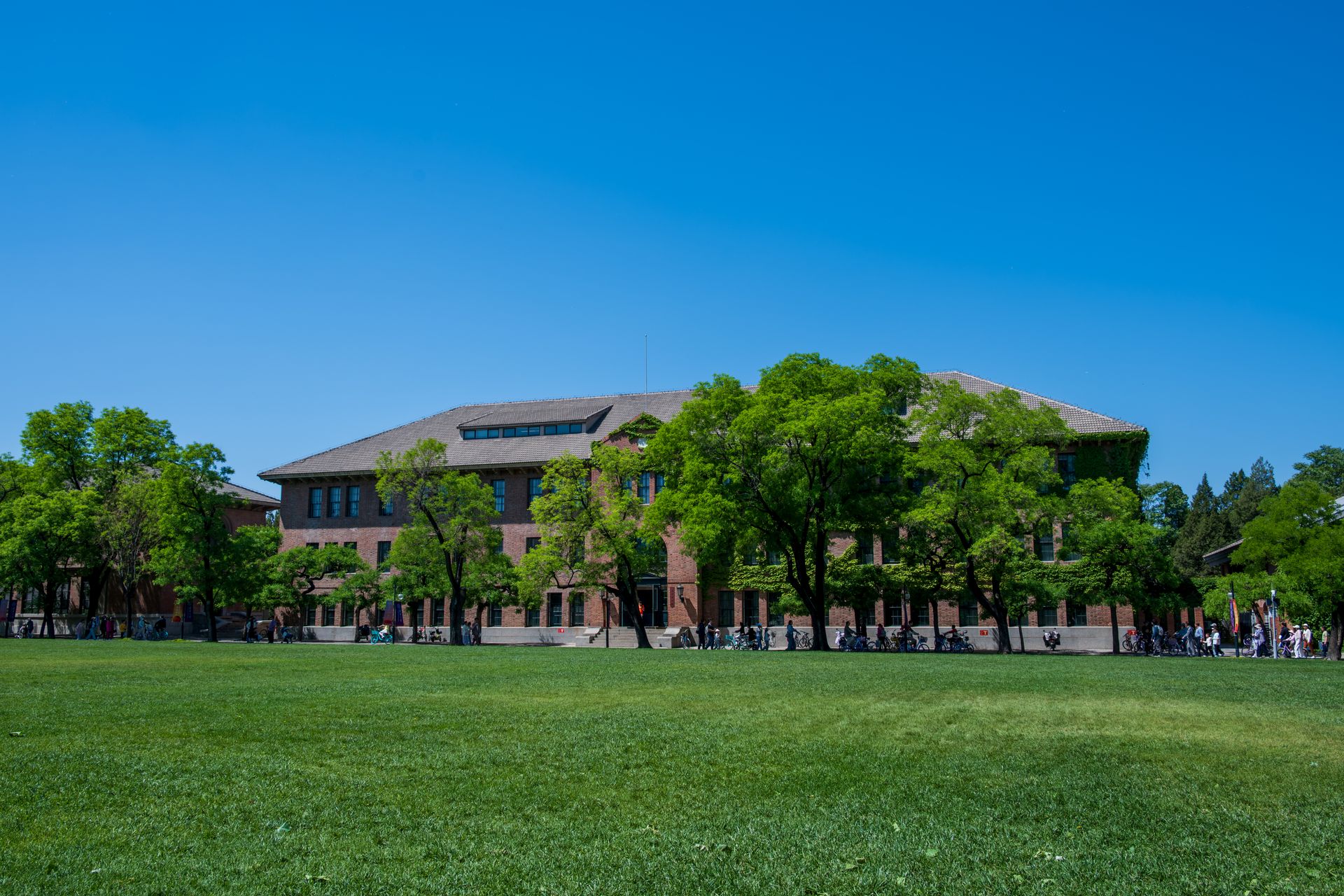
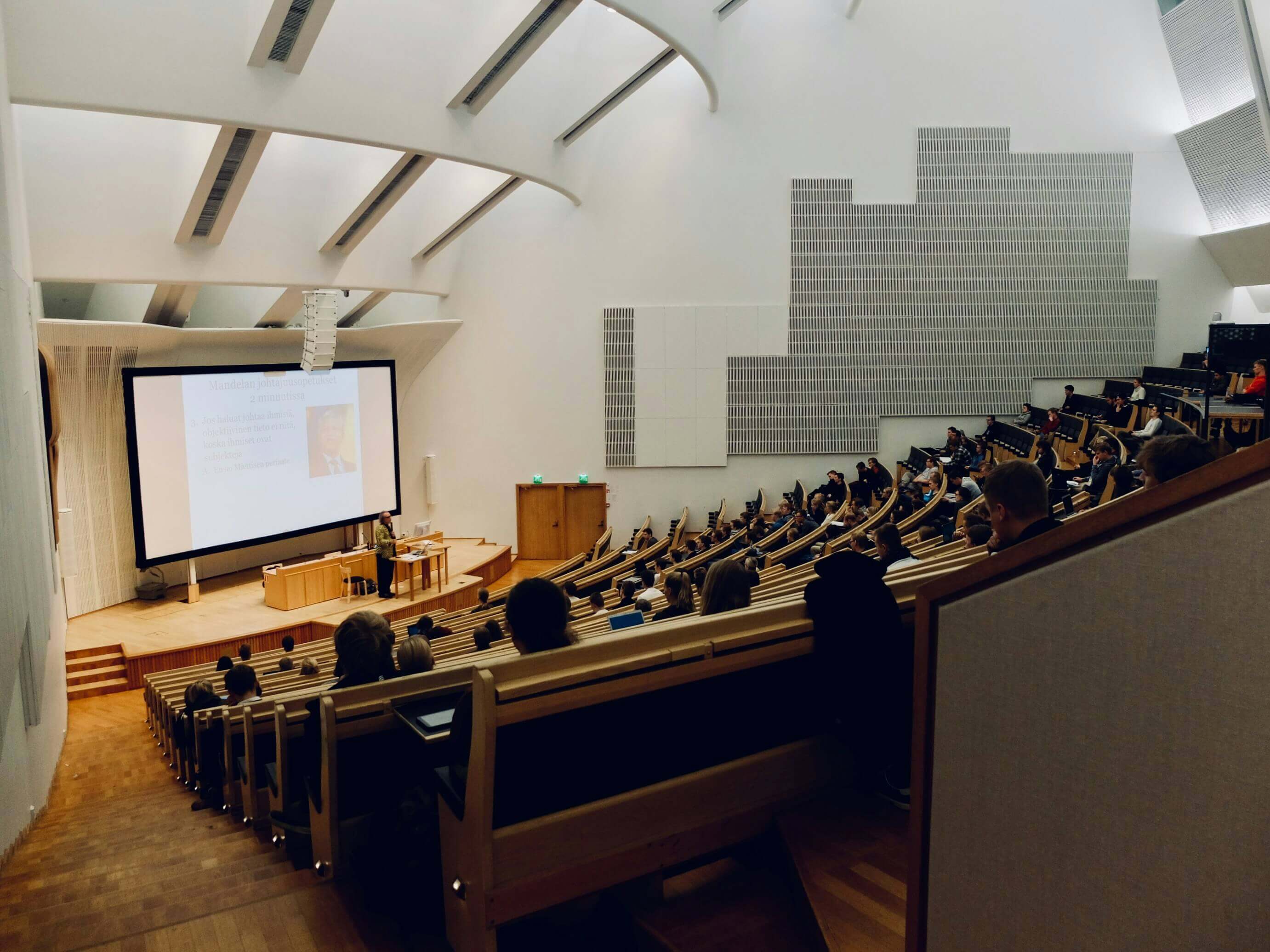
Meet faculty from all six schools, sit in on a live lecture and tour the halls.
Undergraduate Application Deadline
Final date to submit transcripts and references for the spring intake.

Annual Research Symposium
Forty student papers presented across three parallel tracks. Open to the public.
Course catalogue
Featured Modules
Credit-bearing modules open to students across faculties. Each one is assessed by coursework and a final examination.

Probability, sampling and hypothesis testing for first-year undergraduates across faculties.

Arrays, trees and graph traversal with weekly labs and a timed programming assessment.

Core doctrines of constitutional law taught through landmark cases and moot exercises.
Campus
Campus Life
Student Life
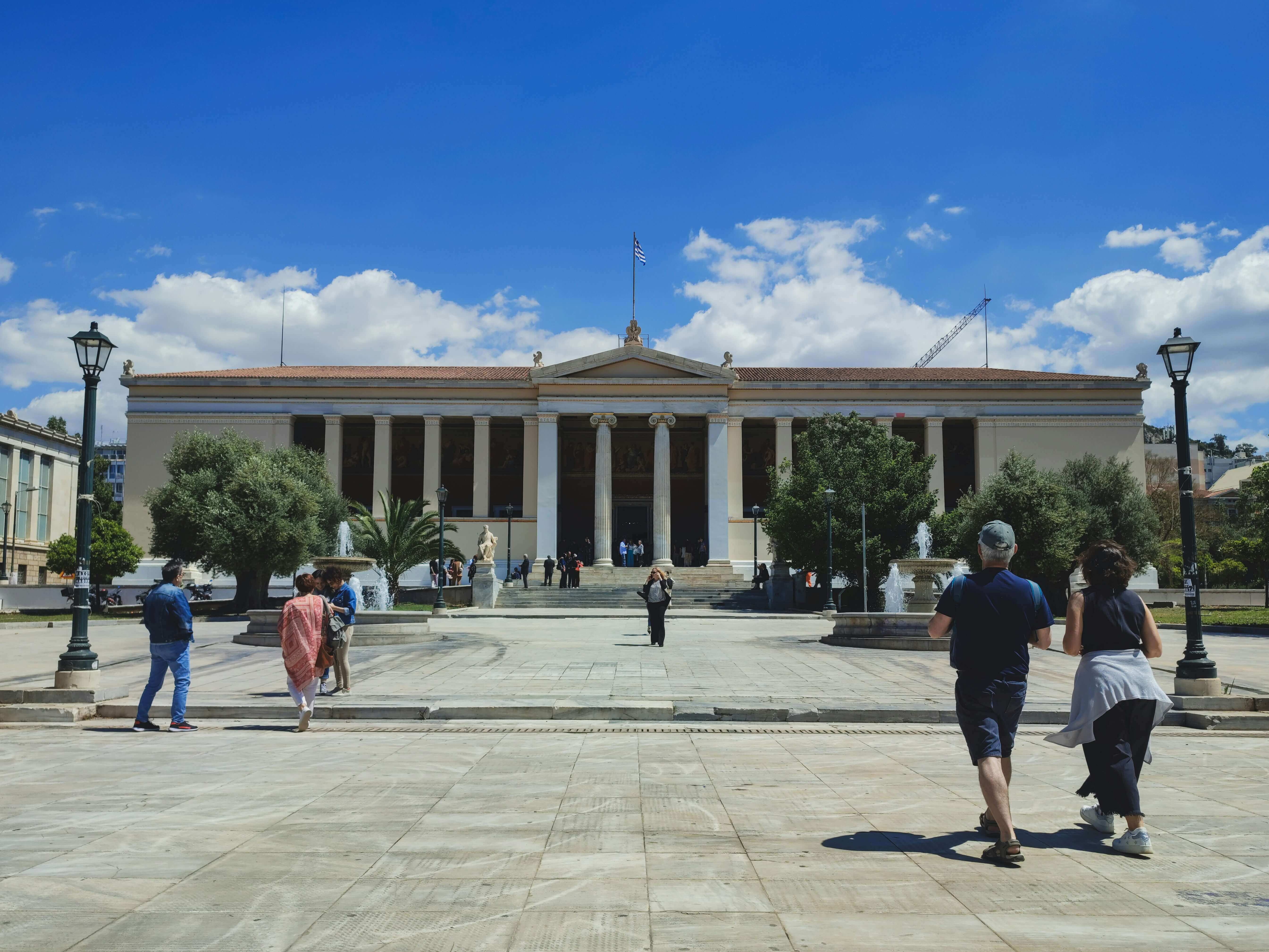
Societies, peer mentoring and late-night study rooms — a campus that stays open when you need it.
Arts & Clubs
From choir to coding club — over forty student societies with weekly meet-ups and showcases.
Sports & Fitness
Gym, pitches and intramural leagues — stay sharp between lectures without leaving campus.
Our academics
Meet the Faculty
Published researchers who still teach first-year seminars. Office hours are posted on every door.
Olivia Rhye
Professor of MathematicsTwelve years of classroom teaching, now focused on making calculus feel obvious.

Phoenix Baker
Reader in Visual CultureShoots commercially four days a week and teaches what actually sells on the fifth.
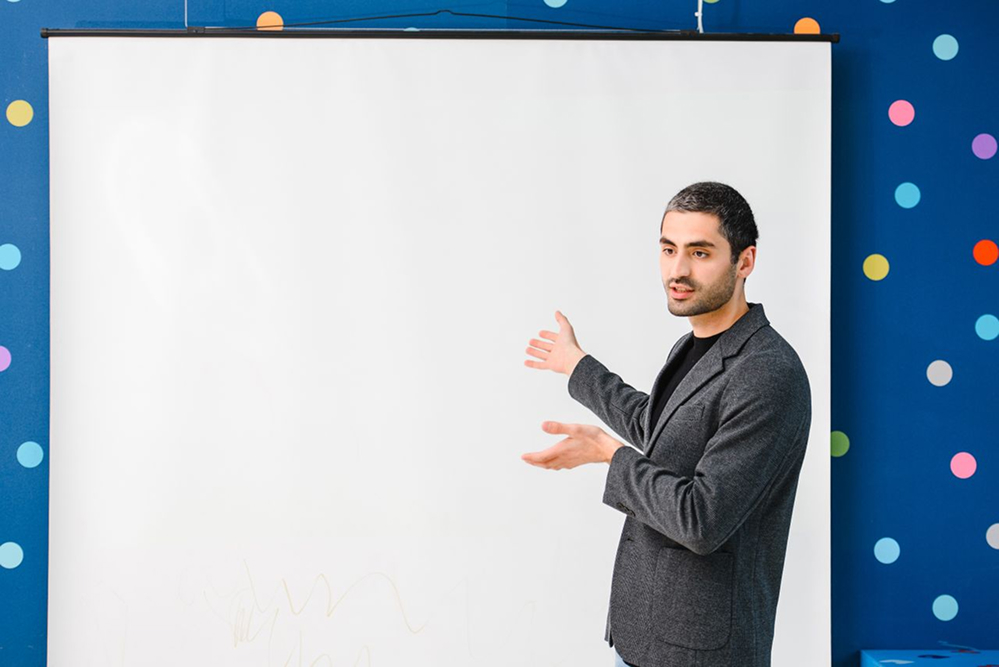
Malcolm Menon
Professor of Computer ScienceBackend engineer who explains architecture without a single unnecessary diagram.
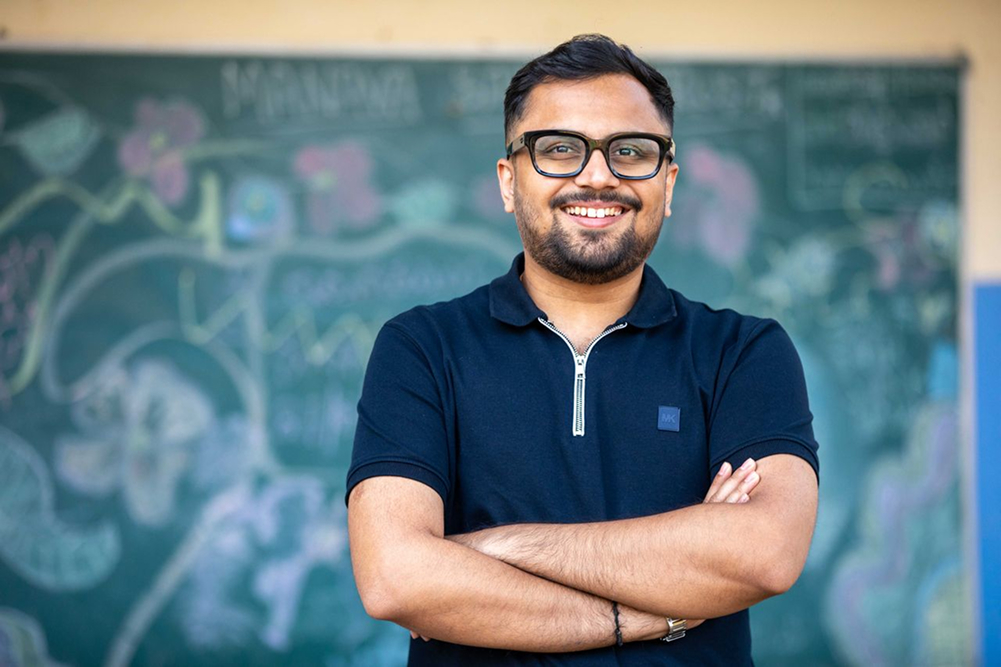
Toden Kalam
Head of PsychologyResearch-led sessions on focus, habit and the way adults really learn new skills.
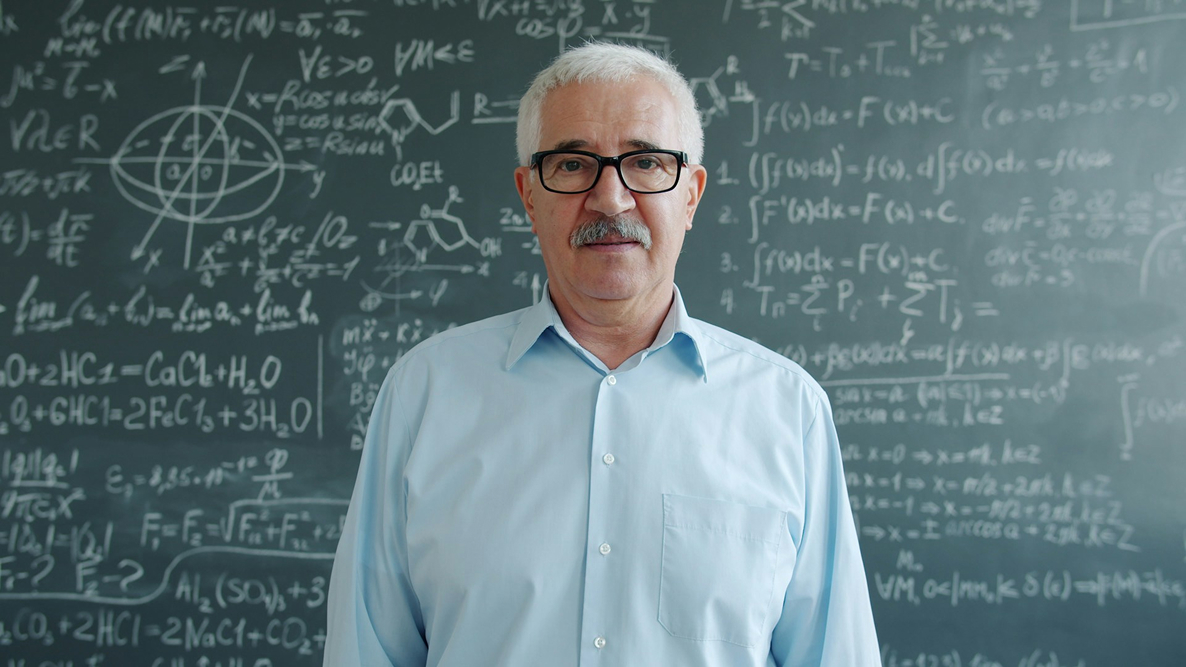
Demi Wilkinson
Senior Lecturer, SystemsRuns production infrastructure, and teaches the command line the way she uses it.

Cohan Enhel
Lecturer in Public HealthMovement and recovery routines built for people who sit at a desk all day.
Testimonials
What Our Students
Have To Say
Honest feedback from graduates who sat in the same lecture halls you will.

My advisor read every draft and pushed hard on weak points. I left with a paper worth submitting and a strong reference.

David Owens
Designer
Seminars were small enough that everyone spoke up. I walked into my first job already used to presenting ideas under real pressure.

Bob Limones
Student
Campus clubs made the first year feel far less lonely. Between lab work and climbing I found friends who still push me.

Tom Hurley
Content Creator
Office hours were never treated as a formality. Lecturers knew my name by week three and helped me switch modules with care.

Robert Lane
DeveloperAdmissions help
Frequently Asked Questions
What are the entry requirements?
Requirements vary by faculty and are published in full on each program page. As a baseline we ask for a recognised secondary qualification, evidence of English proficiency, and two academic references. Admissions staff review every application individually — contact the office if your background is non-standard.
Do you offer scholarships or fee waivers?
Yes. Merit scholarships are awarded on academic record alone, and need-based fee waivers cover between 20% and 100% of tuition. Both are decided after you have an offer, so apply first and submit the financial form alongside it.
Can I transfer credits from another university?
In most cases, yes. We accept credit for modules that map onto our own learning outcomes, up to half of a degree. Send your transcript and module descriptions to the registrar and you will get a written decision within three weeks.
Is on-campus accommodation guaranteed?
First-year undergraduates who apply by the June deadline are guaranteed a room. After that, allocation is by date of application — the accommodation office keeps a live list of what is still free and will help you find private housing nearby if halls are full.
Can I study part-time or defer a year?
Both. Part-time study runs the same modules over a longer timetable, with evening seminars. Deferral of up to one year is granted on request once you hold an offer; write to admissions and your place is held, with no new application needed.
What support is there for international students?
A dedicated international office handles visa letters, airport pick-up and a week-long orientation before term. English language support runs all year, and every international student is paired with a second-year buddy from their own faculty.
Press office
News from Campus
Research announcements, faculty appointments and student stories, published by the university press office.

Four extra reading rooms, a 24-hour silent floor and a lending desk that now stays open through the weekend.
Three papers from the machine learning group were accepted, two of them written with final-year undergraduates.
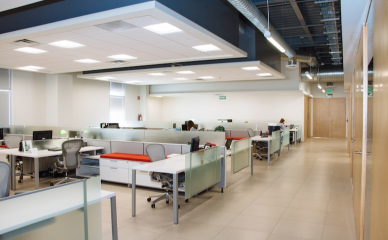
Forty full awards a year for applicants from schools in the district, decided on academic record alone.
An academic institution built around rigorous teaching, research and student outcomes that hold up after graduation.
Academics
Admissions
Registrar’s Office
-
Sigma University, 22 College Avenue
Dhaka 1000, Bangladesh - +880 100 000 0000
- admissions@sigma.edu
© 2026 Sigma University. All Rights Reserved.